Quiet Quitting. Why Act Like it's a Scandal?
Updated: Mar 18
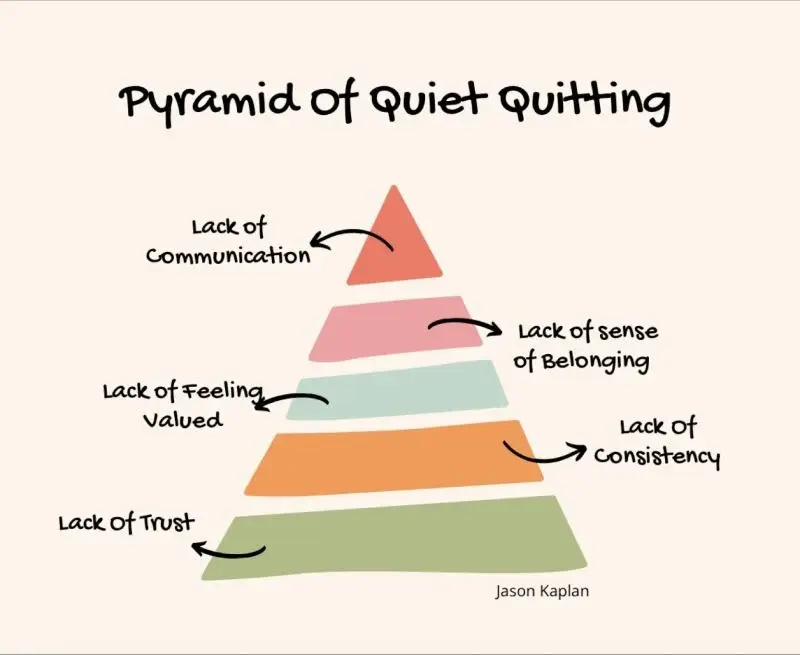
In the summer of 2022, a TikTok video went viral. A young worker explained that he'd stopped going above and beyond at his job, stopped staying late, stopped checking email on weekends, stopped treating employer enthusiasm as a personal identity. He called it quiet quitting. The business press lost its mind.
What Quiet Quitting Actually Described
Let's be precise: quiet quitting meant employees doing their jobs as described in their job descriptions, during the hours they were hired to work, without volunteering additional unpaid labor. That's it. That was the scandal. People doing exactly what they were paid to do, and nothing more.
The labor movement has had a name for this tactic since the 19th century: working to rule. It's a specific form of industrial action where workers follow their employment contracts to the letter and do nothing beyond explicitly defined duties. British railway workers used it effectively in the early 20th century.
Teachers' unions use it during contract disputes. It's a recognized, documented labor tactic with over a hundred years of history. TikTok did not invent it. Millennials did not invent it. It is simply workers enforcing the actual terms of their employment agreement.
Dozens of articles framed it as a generational character failure, Millennials and Gen Z lacking work ethic or grit. Very few articles asked the obvious inverse question: why do employers expect unpaid labor beyond contracted hours? The answer is that American work culture has, over decades of wage stagnation, eroded employment contracts to the point where enormous amounts of uncompensated labor are simply assumed.
The workload is calibrated to require 50 hours of work in a 40-hour week.
The Real Scandal Was What It Exposed
A generation that watched their parents get laid off after 25 years of above-and-beyond performance, that entered the workforce during a financial crisis caused by executives they'd never meet, that has watched productivity increase steadily for 40 years while real wages stagnated and that generation did the math.
The math said give exactly what you're compensated for. The media decided this was a moral failing. It wasn't. It was arithmetic.
Stay Frustrated.


