The $100k Illusion: What a Six-Figure Salary Actually Gets You in 2025
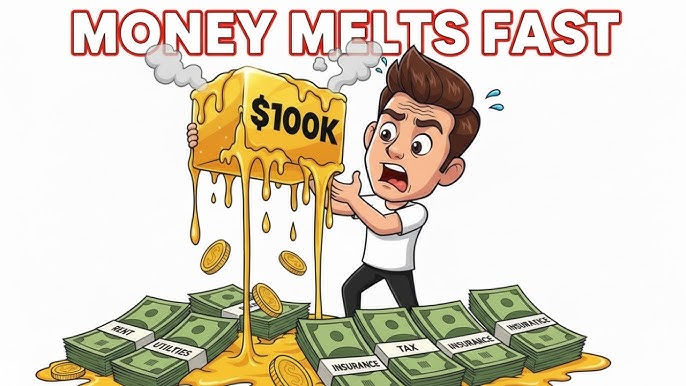
$100,000. The number that was supposed to mean you made it. Here's what it actually means, city by city, after the world got its hands on it.
The Math Nobody Does Before They Negotiate
Start with $100,000 gross. After federal income tax (22% bracket), FICA (7.65%), and an average state income tax, you're taking home roughly $68,000-$72,000 depending on your state. That's $5,700-$6,000 per month.
Now let's see what that actually buys.
San Francisco, CA
Median 1BR rent: $2,800/month. After rent: $2,900 left. Student loan payment (average): $400. Car/transit: $300. Groceries: $500. Utilities + phone + internet: $300. That leaves roughly $1,400/month for everything else — healthcare, savings, clothing, entertainment, emergencies. In San Francisco. At $100,000 a year. You are not rich. You are treading water in an expensive pool.
New York City, NY
New York adds a city income tax on top of state. Your take-home drops to roughly $63,000, or $5,250/month. Median 1BR in Manhattan: $3,500. In Brooklyn: $2,600. After a Brooklyn apartment, you have $2,650 for everything else. NYC's cost of living index is approximately 187 (U.S. average = 100). Your $100k has the purchasing power of about $53,000 in an average American city.
Austin, TX
No state income tax. Take-home: approximately $74,000, or $6,167/month. Median 1BR rent: $1,500 (up 40% since 2020). After rent, you have $4,667. Austin's cost of living has risen faster than almost any major city in the last five years. The "move to Texas" arbitrage has been largely priced out.
Chicago, IL
Take-home: roughly $68,000. Median 1BR: $1,800. After rent: $3,500/month remaining. Chicago is often cited as the best value among major cities for educated professionals. Cost of living index around 107. Your $100k actually buys close to what $100k is supposed to buy. The catch: Chicago's property taxes are among the highest in the nation, and the city has a pension crisis that will eventually result in higher taxes or reduced services.
Raleigh, NC
Take-home: roughly $71,000. Median 1BR: $1,400. After rent: $4,533/month. Raleigh is one of the few cities where $100k still provides genuine middle-class comfort. The catch: it won't last. Raleigh is one of the fastest-growing cities in America and rents have risen 25%+ since 2020. The window is closing.
The Homeownership Math
Can a $100k earner buy a home? In most major metros, the answer is no, or barely.
The standard rule is that housing should cost no more than 28-30% of gross income, which gives you roughly $2,300/month for PITI (principal, interest, taxes, insurance).
At a 7% mortgage rate, that payment supports a home price of approximately $290,000. The median home price in the U.S. is now $420,000. In any major coastal metro, the median exceeds $600,000-$1M+.
$100k used to mean you could buy a house. Now it means you can think about buying a house, in the right city, if you have a co-borrower, and if rates come down, and if you've somehow saved a $60,000 down payment while paying $2,500/month in rent.
The Punchline
$100,000 isn't a number that means the same thing in 2025 that it meant in 2000. In 2000, $100k had the purchasing power of approximately $175,000 today. In most cities with high-paying jobs, $100k today barely crosses the threshold of financial security.
The six-figure milestone didn't move. The economy moved it for you. Stay Frustrated


