Unpacking Governance in the United States and its Power Dynamics
Governance in the United States is a complex web. It’s not just about who sits in the White House or Congress. Power flows through many channels. Some are visible. Others, less so. If you want to understand the real game, you need to look deeper. Who holds power? Who influences decisions? And why does it matter to you?
Let’s break it down. I’ll walk you through the layers of US governance power dynamics. We’ll explore the roles of elected officials, institutions, and the unseen forces shaping policy. By the end, you’ll have a clearer picture of the system.
The Structure of US Governance Power Dynamics
The US government is famously divided into three branches: executive, legislative, and judicial. This separation is designed to prevent any one branch from becoming too powerful. Checks and balances, they call it. But how does this work in practice?
Executive Branch: The President leads here. They enforce laws, command the military, and set foreign policy. But the President’s power isn’t absolute. Congress and the courts can limit it.
Legislative Branch: Congress makes the laws. It’s split into the House of Representatives and the Senate. Members are elected by the people. They debate, amend, and pass legislation.
Judicial Branch: The courts interpret laws. The Supreme Court is the highest authority. Its decisions can uphold or strike down laws and executive actions.
This setup sounds straightforward. But power isn’t just about formal roles. It’s also about influence, access, and resources.
The Role of Federalism
Federalism adds another layer. Power is shared between the national government and the states. States have their own governments, laws, and courts. They control many aspects of daily life—education, policing, transportation.
This division means power is dispersed. But it also creates tension. States can resist federal policies. Or push their own agendas. This dynamic shapes governance in profound ways.
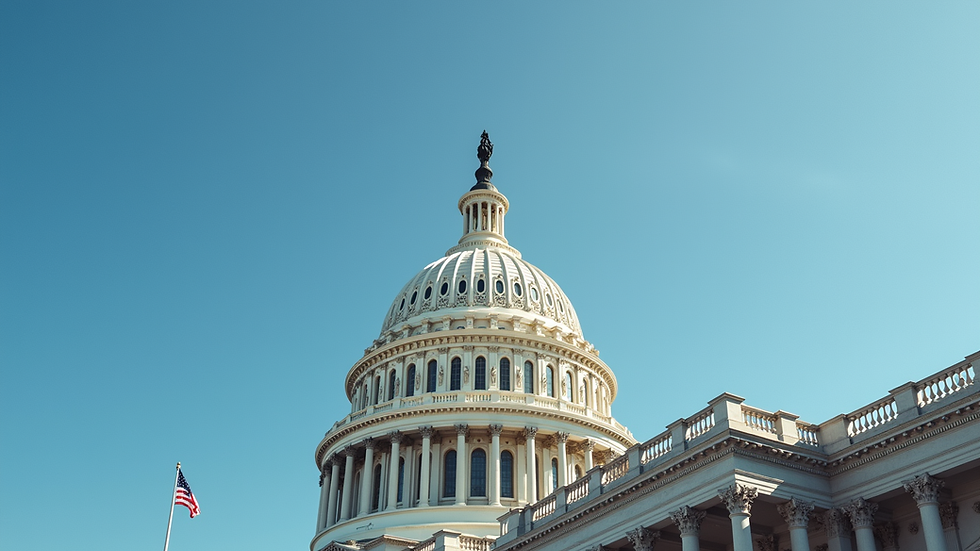
Who Really Holds Power? The Invisible Hands
Here’s where it gets interesting. Beyond elected officials and formal institutions, other players hold significant sway. Lobbyists, corporations, interest groups, and wealthy donors all influence policy behind the scenes.
Money talks. Campaign financing is a major factor. Politicians rely on donations to run campaigns. This dependence can shape their priorities. Lobbyists represent industries and causes. They provide information, draft legislation, and push for favorable outcomes.
The media also plays a role. It frames issues and influences public opinion. But media ownership is concentrated in a few hands, which can skew narratives.
This raises a critical question: who is really running the country? It’s not always the politicians you see on TV.
The Power of Bureaucracy
The federal bureaucracy is another key player. These are the agencies and departments that implement laws and policies. They have expertise and control over regulations. Bureaucrats often work behind the scenes, but their decisions affect millions.
For example, the Environmental Protection Agency sets rules on pollution. The Federal Reserve controls monetary policy. These agencies operate with a degree of independence, sometimes clashing with elected leaders.

The Influence of Political Parties and Ideologies
Political parties shape governance power dynamics too. The US has two dominant parties: Democrats and Republicans. Each has its own ideology, base, and agenda.
Parties organize elections, mobilize voters, and set policy priorities. They also control legislative leadership and committee assignments. This control affects which bills get attention and which die quietly.
Ideology matters. It influences how politicians interpret laws and govern. For example, conservatives often emphasize limited government and free markets. Liberals may prioritize social programs and regulation.
But party loyalty can also lead to gridlock. When parties clash, governance slows down. This frustration is felt by many who want effective solutions.
The Role of the Judiciary in Power Dynamics
The judiciary, especially the Supreme Court, plays a pivotal role in governance. Its rulings can redefine laws and social norms. Think about landmark cases on civil rights, abortion, and voting rights.
Judges are appointed for life. This gives them long-term influence. But appointments are political. Presidents nominate judges who align with their views. The Senate confirms them.
This process politicizes the courts. It also means judicial power can shift with changing administrations. The courts act as a check on both the executive and legislative branches.
What Can You Do? Navigating the System
Understanding US governance power dynamics is the first step. But what about action? How can you engage with this complex system?
Stay informed: Follow multiple news sources. Question mainstream narratives. Look for alternative perspectives.
Get involved: Vote in local and national elections. Join community groups or advocacy organizations.
Hold leaders accountable: Contact your representatives. Demand transparency and ethical behavior.
Support reform: Campaign finance reform, lobbying regulations, and judicial transparency are key areas.
Educate others: Share what you learn. Encourage critical thinking in your circles.
Power is not fixed. It shifts with public pressure and participation. Your voice matters.
Power Is Complex, But Not Unchangeable
Governance in the United States is a layered, dynamic system. Power is shared, contested, and often hidden. From elected officials to lobbyists, from bureaucrats to judges, many forces shape the country’s direction.
The question of who is really running the country is not just academic. It affects policies, rights, and daily life. By unpacking these power dynamics, you gain clarity and agency.
The system is imperfect. But understanding it is the first step toward change. Keep questioning. Keep pushing. Power belongs to those who seek it—and those who refuse to be silent.


