Decoding the Complexity of the U.S. Tax Code
Taxes. Just the word can make anyone’s head spin. The U.S. tax code is famously complex. It’s a labyrinth of rules, exceptions, and endless pages of legalese. But why?
Why does it have to be so complicated? And how can you, the everyday taxpayer, make sense of it all? Let’s break it down.
Understanding the Complexity of the U.S. Tax Code
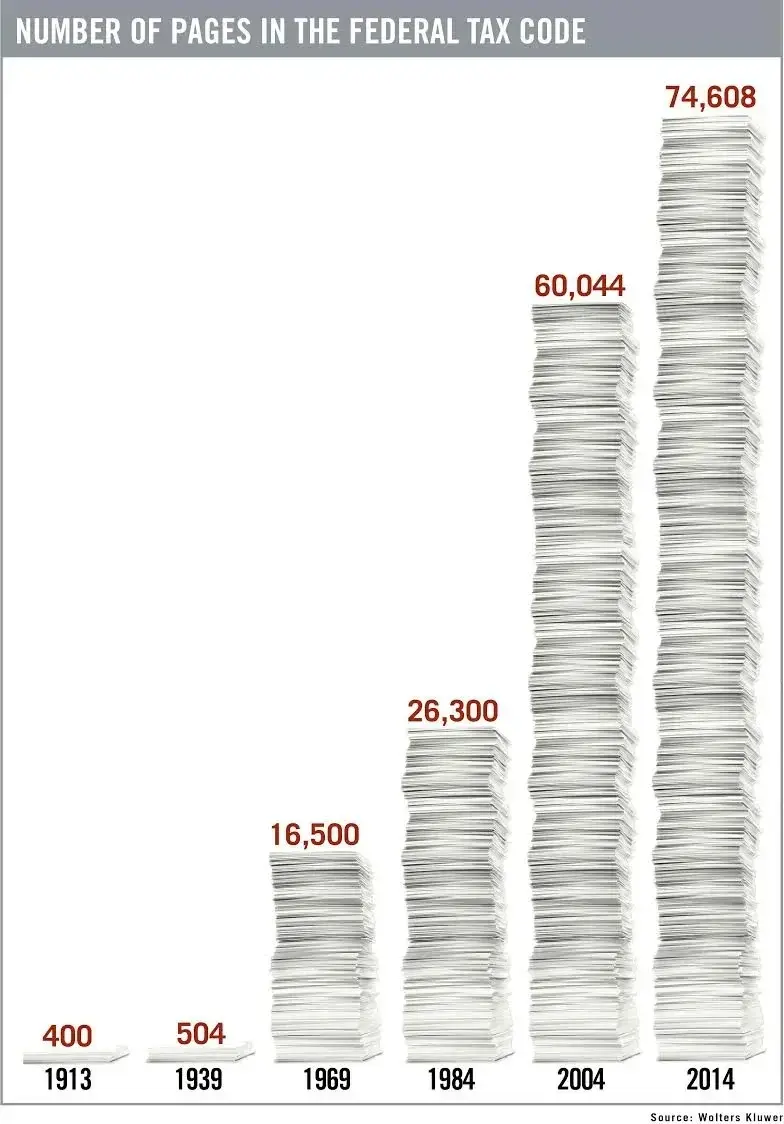
The U.S. tax code is not just a simple set of instructions. It’s a massive document that has grown over decades. Every year, Congress adds new laws, tweaks old ones, and creates exceptions. The result? A tangled web that even experts struggle to navigate.
Why does this happen? Because taxes are about more than just collecting money. They are tools for shaping society. They influence behavior, reward certain actions, and punish others. This means the tax code tries to do many things at once:
Encourage home ownership
Support education
Promote green energy
Help small businesses
And much more
Each goal adds layers of complexity. The tax code becomes a patchwork quilt of incentives and penalties. It’s no wonder people ask, *why is the us tax code so complicated*.

Why So Many Rules? The Roots of Complexity
The tax code’s complexity comes from its history and purpose. It started simple. Early tax laws were straightforward. But as the country grew, so did the need for more detailed rules.
Think about it. The U.S. economy is huge and diverse. People earn money in countless ways. Businesses operate differently. Investments come in many forms. The tax code tries to cover all these scenarios. It has to be fair, but also flexible.
Add politics to the mix. Every lawmaker wants to protect their voters’ interests. They push for special breaks or carve-outs. This creates loopholes and exceptions. Over time, these accumulate. The tax code becomes a maze.
Is the Tax Code Hard to Understand?
Absolutely. It’s not just hard for regular folks. Even accountants and tax lawyers find it challenging. The language is technical. The rules are detailed. And the penalties for mistakes are severe.
Here’s a simple example: deductions. You might think you can just subtract your expenses from your income. But which expenses qualify? How much can you deduct? What records do you need? The answers depend on many factors.
Filing taxes often feels like solving a puzzle. You need to gather documents, understand forms, and apply rules correctly. One small error can trigger audits or fines. No wonder many people dread tax season.

Practical Tips to Navigate the Tax Maze
Don’t panic. You don’t have to become a tax expert overnight. But you can take steps to make the process easier and less stressful.
Start Early
Don’t wait until the last minute. Give yourself time to collect documents and ask questions.
Keep Good Records
Save receipts, invoices, and statements. Organized records make deductions easier to claim.
Use Reliable Software
Tax software can guide you through the process. It flags common errors and helps with calculations.
Ask for Help
If your situation is complicated, consider a professional. A CPA or tax advisor can save you money and headaches.
Stay Informed
Tax laws change frequently. Follow trusted sources to keep up with updates.
Understand Your Deductions and Credits
Know what you qualify for. Education credits, child tax credits, and energy incentives can reduce your bill.
The Bigger Picture: Why It Matters
The complexity of the U.S. tax code is not just an inconvenience. It reflects deeper issues in how our society is structured. Taxes fund everything from roads to schools to defense. They shape economic behavior and social policy.
But complexity also creates inequality. Those with resources can hire experts to minimize taxes. Others pay more than they should or make costly mistakes. This fuels frustration and distrust.
Understanding the tax code is a step toward empowerment. It helps you see how policies affect your life. It encourages you to ask tough questions about fairness and transparency.
What Can Change the Complexity?
Simplifying the tax code is a popular idea. But it’s easier said than done. Every simplification means cutting some benefits or closing loopholes. That can upset powerful interests.
Still, some reforms could help:
Streamline forms and instructions
Limit special exemptions
Increase transparency
Use technology to assist taxpayers
Change requires political will and public pressure. The more people understand the system, the more they can demand fairness.
Final Thoughts on the U.S. Tax Code
The U.S. tax code is a beast. It’s complex, confusing, and often frustrating. But it’s also a reflection of our society’s values and struggles. By decoding its complexity, you gain insight into how power and policy intersect.
You don’t have to master every detail. But a little knowledge goes a long way. It helps you make smarter decisions, avoid pitfalls, and maybe even save money.
Taxes are part of life. Understanding them is part of being an informed citizen. So next time you face that mountain of forms, remember - you’re not alone. And with the right tools, you can conquer the complexity.
Thanks for reading. Stay curious. Stay critical. Stay Frustrated